What happens during a Crypto Loan Liquidation?
Today, we’re going to talk about what happens during a Crypto Loan Liquidation (DeFi vs Custodial)
By Lantern Finance

Hey Lantern Community,
Today, we’re going to talk about what happens during a Crypto Loan Liquidation (DeFi vs Custodial)
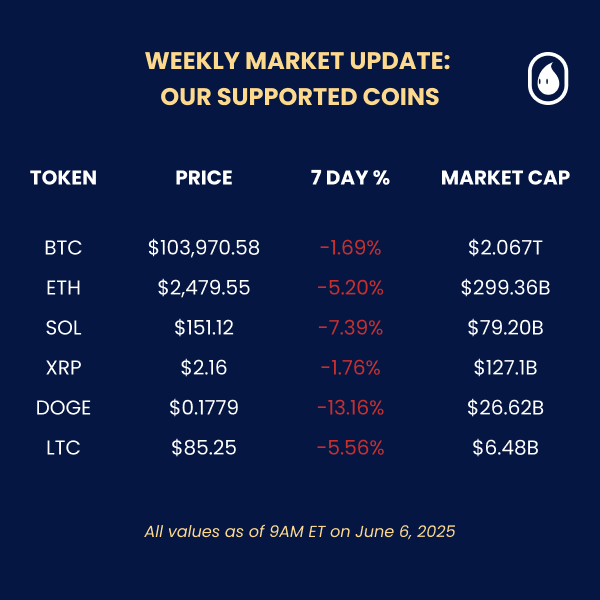
But as usual, market update!
What Is Liquidation?
Liquidation is the process of selling a borrower's collateral to cover their outstanding debt when the value of that collateral falls below a predetermined threshold. This mechanism exists to protect lenders (or lending platforms) from losses that could occur due to crypto's price volatility. The process is triggered by market conditions that cause the collateral-to-loan ratio to breach specific thresholds. These thresholds are typically expressed as:
Loan-to-Value (LTV) Ratio: The ratio of your loan amount to your collateral’s dollar value
Liquidation Threshold: The specific LTV level at which liquidation is initiated
Health Factor: A metric representing the relationship between your total collateral value and outstanding debt
DeFi Liquidations
DeFi lending protocols like Aave, Compound, and Morpho implement fully automated liquidation processes through smart contracts. Here's how they typically work:
Liquidations are fully automated and execute immediately when thresholds are breached
No human intervention occurs - the process follows exactly what's coded in the smart contract
Anyone can act as a liquidator, often using specialized bots and flash loans to capitalize on liquidation opportunities
Borrowers typically face liquidation penalties of 10-13% on liquidated amounts
The entire process is transparent and visible on-chain
While this automation offers certainty and transparency, it can be ruthlessly efficient. During market crashes, thousands of positions can be liquidated simultaneously without any opportunity for grace periods, such as during flash crashes.
Custodial Platform Liquidations
At Lantern Finance and other custodial platforms, the approach to liquidations includes additional protections and human oversight:
Margin call warnings before liquidation give borrowers time to add collateral or repay portions of their loan
Platforms often have internal processes that aren't as abrupt as automated smart contracts
Liquidation is managed by the platform rather than being opened to external participants
Many platforms maintain insurance funds to cover potential shortfalls from unsuccessful liquidations
There's often an opportunity for customer service intervention in certain circumstances
Why Lantern's Approach to Liquidations Protects You Better
As a U.S.-based Delaware C corporation headquartered in Nevada, Lantern Finance offers several advantages over DeFi lending options when it comes to managing liquidation risk:
Proactive Communication: We don't believe in surprise liquidations. Our system sends you timely alerts when your collateral approaches warning levels, allowing you to take action before liquidation becomes necessary.
0% Liquidation Fees: Unlike many DeFi protocols that charge 10-13% liquidation penalties, our fees (or lack thereof) are structured to be borrower-friendly and borrower-aligned.
No Token Economics: Unlike platforms that push their tokens to reduce rates (looking at you, Nexo), we don't force you to buy a proprietary token to access reasonable terms. Our pricing is transparent and straightforward.
Human Support: When market volatility strikes, you're not at the mercy of an immutable smart contract. Our team is available to discuss options and work with you to protect your position when possible.
Until then, if you have any questions or feedback, don't hesitate to reply to this email.
We read every single reply.
Until next time,
The Lantern Team