$42 Million Stolen Across DeFi Hacks in January
By Lantern Finance
Hey Lantern Community,
January 2026 just became one of the most expensive month for DeFi users in recent memory.
$42 million vanished from six different protocols in just three weeks.
Today we're breaking down what happened, why it keeps happening, and how you can keep your crypto safe.
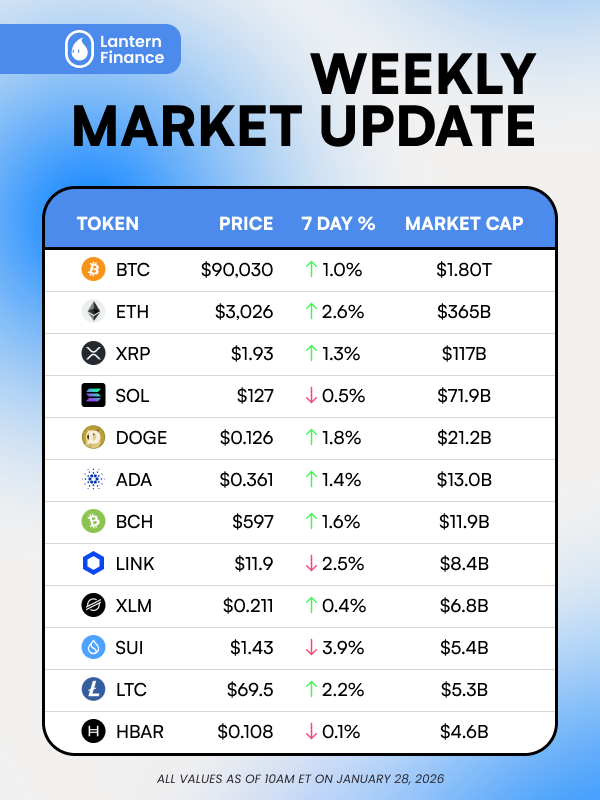
But first, market update!
Six Hacks, Three Weeks, Zero Warning
Here's how $42 million disappeared:
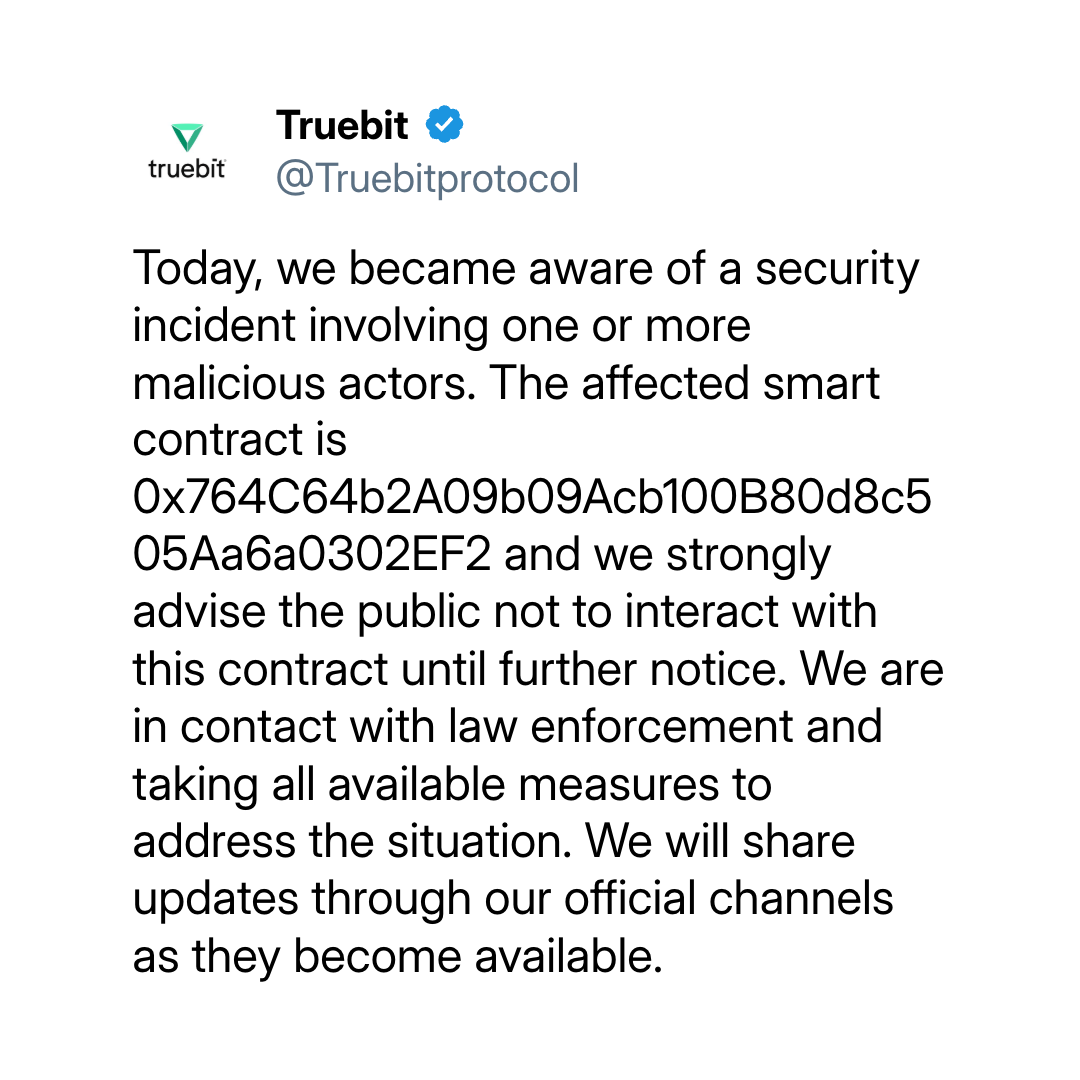
Truebit - $26.2 million (January 12) A coding error allowed an attacker to create tokens out of thin air and drain the protocol. The hacker had successfully attacked another protocol weeks earlier using a similar technique.
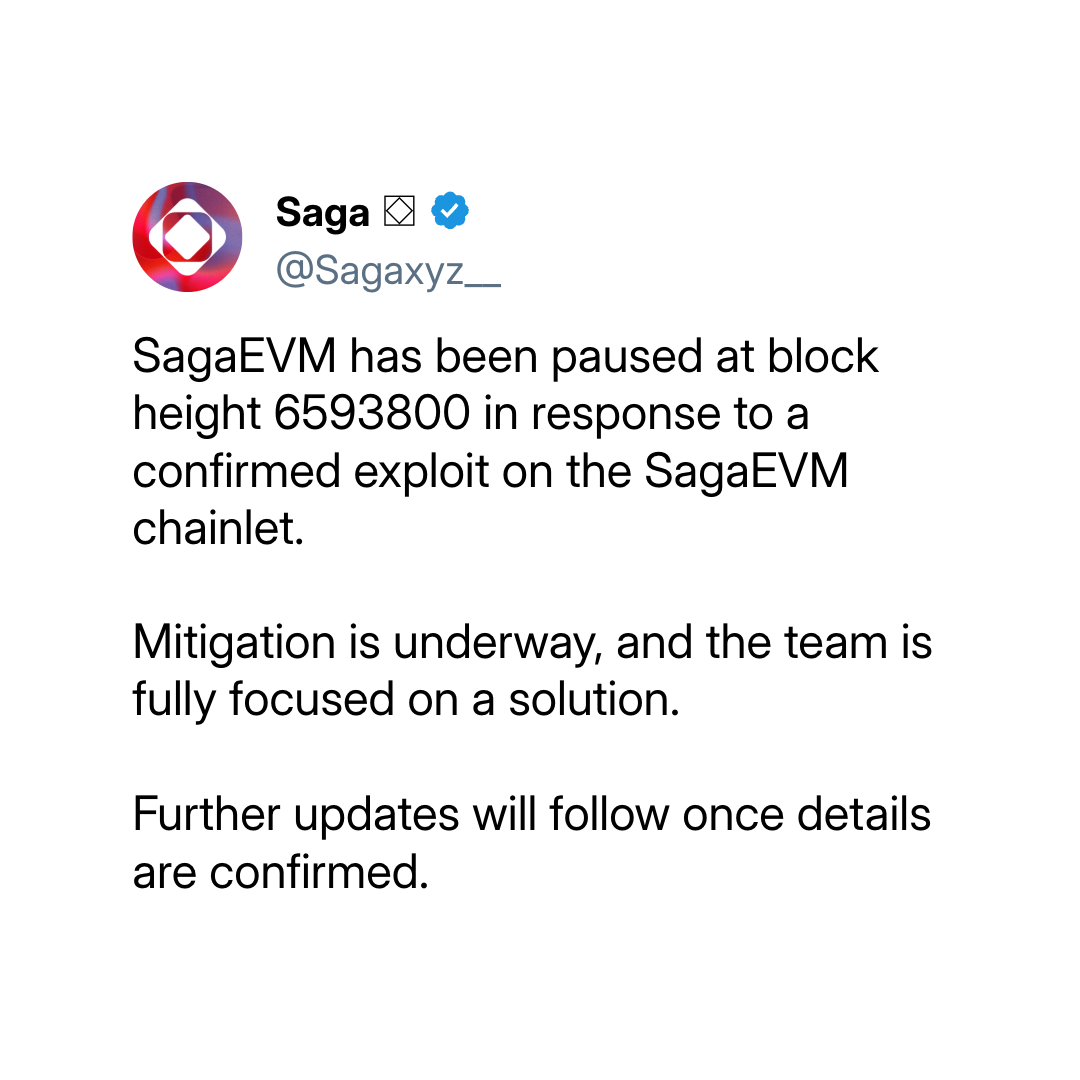
Saga - $7 million (January 26) Hackers created fake messages that made it look like they had deposited money when they hadn't. The bridge system believed these fake messages and paid them out real crypto.
Cosmos Labs is now scrambling to patch other affected chains.
Makina - $4.13 million (January 22) Attackers borrowed massive amounts of crypto (which they paid back in the same block), used it to artificially inflate prices, and tricked the protocol into thinking assets were worth more than they actually were.

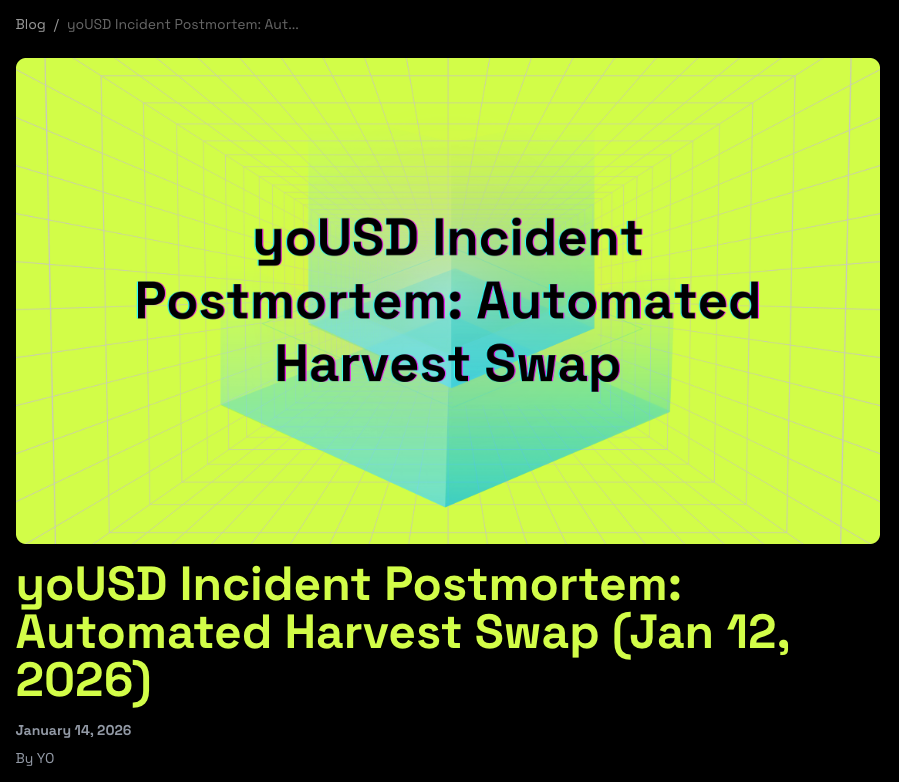
YO Protocol - $3.84 million (January 14) A vault operator fat-fingered a swap with broken slippage parameters. $3.84 million went in, $112K came out. The team covered the loss with their own money and waited two days to mention it publicly.
TMXTribe - $1.4 million (January 8) A flaw in the protocol's code allowed funds to be drained. But here's what made it suspicious: wallets controlled by the team were actively deploying new contracts while the hack was happening.
They didn't pause the protocol. They didn't warn users. They didn't say a word. Days later, still nothing. Was it really a hack, or did the team orchestrate their own exit? You decide.
ZeroLend - $371K (Still Missing Since March 2025) Ten months ago, $371K worth of Bitcoin disappeared from ZeroLend's system on Base chain.
No explanation. GitHub went quiet. Users still can't withdraw.
But the deposit button? Still works perfectly.
“These Are Just Ethereum Problems”
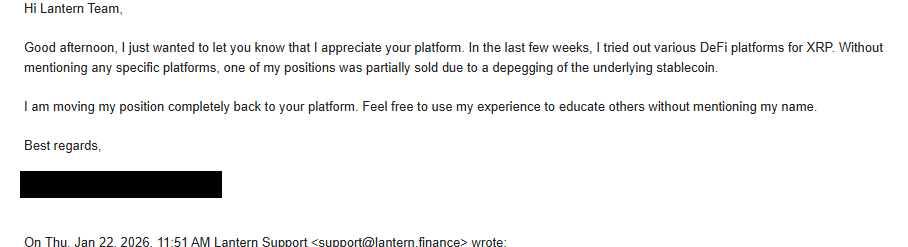
Well, that's what one of our users thought too.
Here's what they told us last week:
"In the last few weeks, I tried out various DeFi platforms for XRP. Without mentioning any specific platforms, one of my positions was partially sold due to a depegging of the underlying stablecoin.”
Turns out, DeFi security issues aren't chain-specific but systemic.
Whether it's Ethereum, Solana, Cosmos, or even XRP, smart contracts are still experimental technology.
And sometimes, experiments fail.
Why Audits Don't Guarantee Security
Most of these protocols were audited but auditors can't predict:
How future updates will interact with existing code
Bridge vulnerabilities across multiple chains
Oracle manipulation strategies
Even "battle-tested" code from 2020 became a vulnerability in 2026 (see: Truebit).
No Smart Contracts = No Smart Contract Risk
When you borrow from Lantern, your collateral never touches:
❌ Smart contracts
❌ Bridges
❌ Oracles
❌ Liquidity pools
❌ Experimental code
Instead, your crypto sits in BitGo cold storage:
✅ Publicly traded company with transparent financials
✅ OCC chartered (same regulatory standard as banks)
✅ $250 million insurance coverage
✅ Physical vaults requiring multiple people present to access funds
✅ Institutional custody used by major exchanges and ETF issuers
Your collateral is protected by the same security infrastructure that secures billions for institutions.
How We Think About Security
Security isn't about cutting-edge technology. It's about:
Eliminating attack surfaces: No smart contracts means no smart contract exploits
Using proven infrastructure: BitGo has secured assets since 2013 without incident
Regulatory compliance: Being OCC chartered means meeting bank-grade security standards
Human oversight: Real people reviewing every loan, every margin call, every situation
Institutional custody beats experimental code every single time.
Looking Forward
February will bring more DeFi hacks. So will March. And April.
Not because developers are incompetent but because smart contract security is genuinely hard. One small oversight can cost millions.
That's fine for experimentation.
But when it's your precious crypto backing a loan?
You deserve the security of institutional custody.
Want to see how we protect your collateral?
Text us: (415) 365-0100 or check our approach: https://lantern.finance/borrow
Stay safe out there,
The Lantern Team
This newsletter is for educational purposes only and does not constitute financial advice. DeFi protocols carry significant smart contract risk. Always do your due diligence before depositing funds into any protocol.