The billionaire who borrowed $215 million from Wall Street to build a real estate empire
By Lantern Finance
Hey Lantern Community!
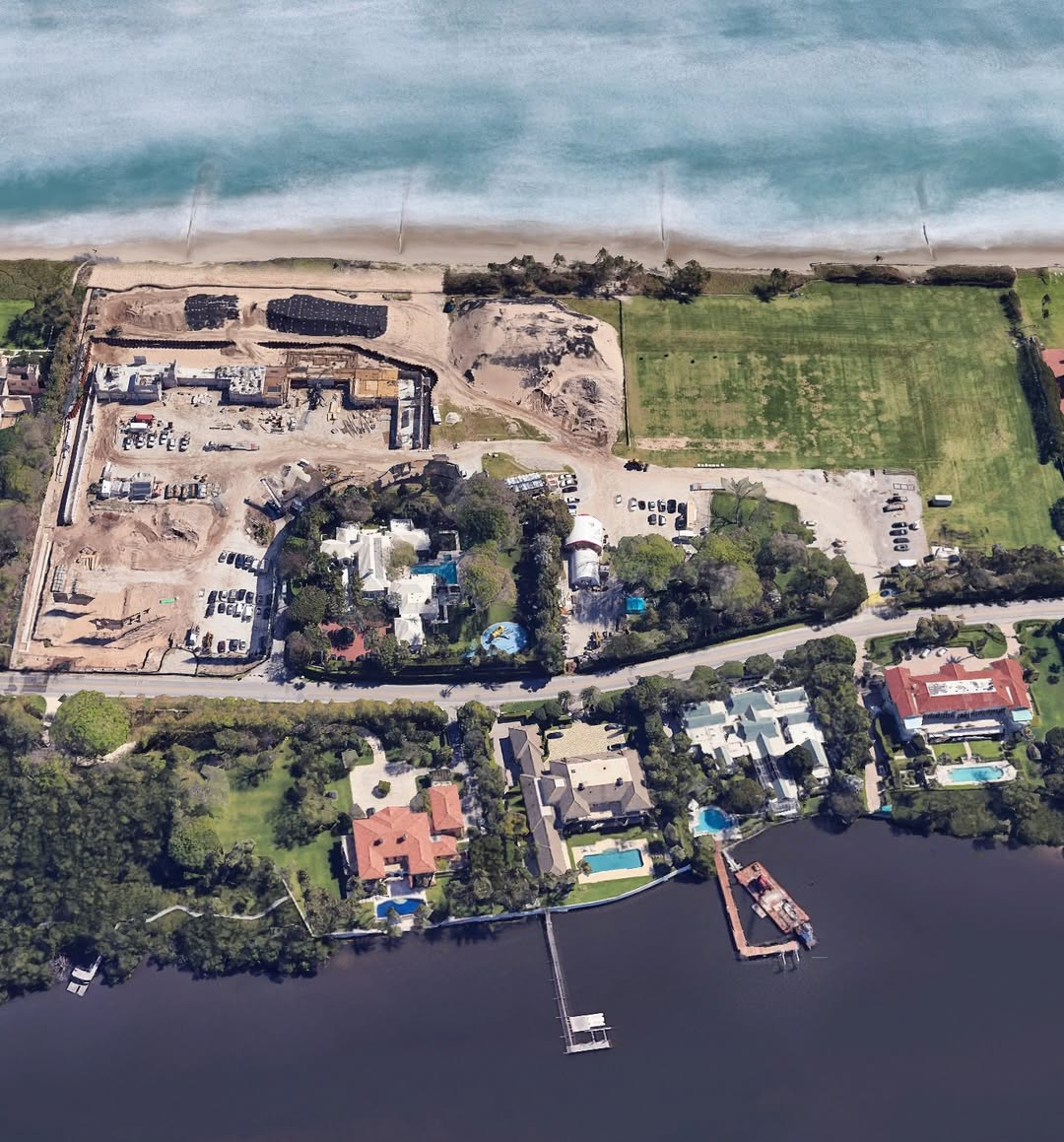
Ken Griffin (Citadel's founder, worth $37 billion) has accumulated one of the world's largest personal real estate portfolios. We're talking Palm Beach oceanfront estates, a record-breaking New York penthouse, London mansions, and Aspen compounds.
And for each property, he took out hundreds of millions in loans to buy them.
Today, we’ll go over Ken Griffin’s real estate portfolio to see what moves he’s making.
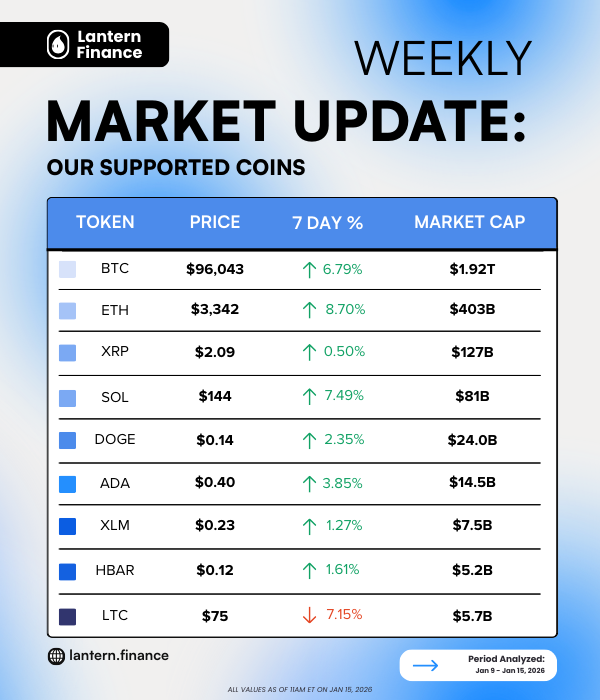
But first, market update!
Why would a billionaire need a loan?

He doesn't. That's the point.
Griffin could write a check for any property on Earth. Instead, he borrows against them from JPMorgan, Northern Trust, and Citibank.
Griffin's strategy:
Buy trophy real estate through LLCs
Take out massive loans (sometimes 85% loan-to-value)
Pay interest-only on the loans
Keep his billions invested in markets earning higher returns
Never touch his Citadel equity
The loans we know about:
$165 million from Northern Trust on two Palm Beach oceanfront lots (85% LTV on $193.6M property)
$35.4 million from Northern Trust on his Aspen estate
$15.2 million from JPMorgan on 10 Blossom Way, Palm Beach
Undisclosed amount from Citibank on his $122 million London mansion
What he bought vs. what he's building

The all-cash purchase: Griffin's $238 million penthouse at 220 Central Park South (aka the most expensive home ever sold in the US) appears to have been bought without a mortgage. Four floors, 24,000 square feet overlooking Central Park.
No loan is needed for that one.
The leveraged empire: Meanwhile, his Palm Beach holdings are structured differently. He's been quietly assembling oceanfront parcels through various LLCs (all owned by KP Holdings LLC, his personal holding company).
Current project: A mega-compound that could be worth $1 billion when completed. And yes, portions of it are financed.
The Griffin playbook for regular people:
Never liquidate appreciating assets to buy depreciating ones
Use real estate itself as collateral (not your investment portfolio)
Borrow at low rates from institutions that want your business
Keep your capital working at higher returns elsewhere
Structure each property in separate LLCs for liability protection
But this isn't just for hedge fund titans anymore.
At Lantern, we make the same strategy possible:
Borrow against your crypto without selling it
Keep your assets working for you
Interest-only payments preserve cash flow
No credit checks, no income verification
Same-day funding when you need it
The difference? Griffin pledges $100 million mansions. You pledge Bitcoin, Ethereum, Solana, XRP, etc.
The principle is identical: Never sell appreciating assets when you can borrow against them.
Why banks love this deal

Artist rendering that shows the view which Griffin can enjoy from his penthouse
JPMorgan and Northern Trust aren't doing Griffin any favors. They're making excellent loans:
Ultra-low default risk (the real estate itself is collateral)
High-net-worth client relationships (Griffin brings other business)
Predictable interest income from a borrower who won't miss payments
Trophy properties that hold value better than most assets
It's the same reason we built Lantern the way we did. When loans are properly collateralized, everyone wins.
Want to see how this works with crypto instead of real estate?
Text us at (415) 365-0100 or check our calculator: https://lantern.finance/borrow
Keep your assets. Borrow smart. Build wealth like Griffin.
The Lantern Team
P.S. We are running a discount for new customers! From January 15, 2026, your first month with Lantern is interest-free.
Learn more here: https://lantern.finance/blog/first-month-loan-interest-free-promotion
This newsletter is for educational purposes only and does not constitute financial advice. Mortgage figures based on public property records. Always consult with your financial advisor before making lending decisions.